By Ron Darwin
November 26, 2026
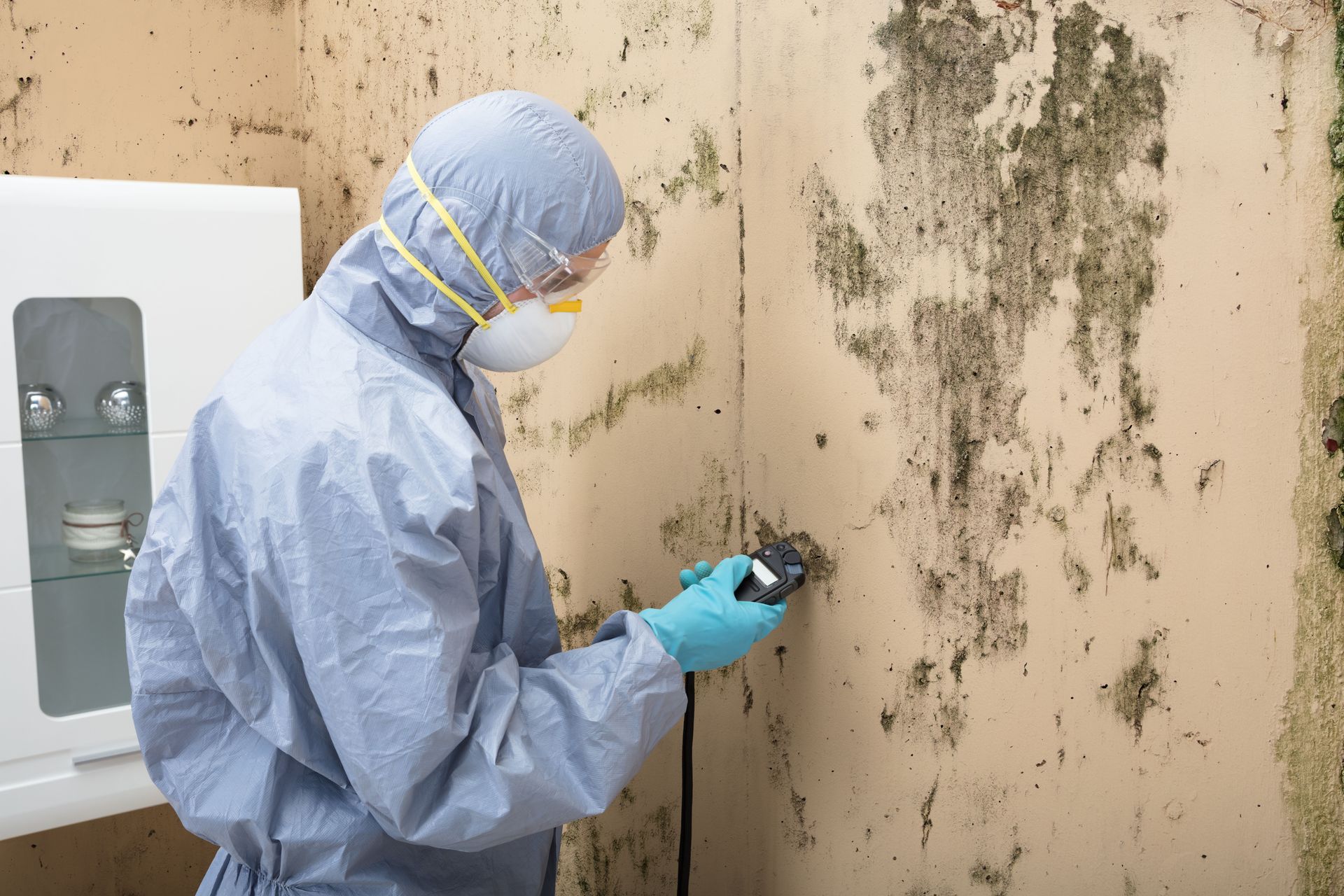
Discovering water pooling beneath your home requires immediate attention. Homeowners struggle with pervasive dampness, mold odors, and visible cracks along foundation walls. Resolving these issues takes more than applying specialized paint or running a dehumidifier. You need a permanent structural solution to protect property value and ensure your living space remains safe and dry. Moving quickly to address the moisture prevents secondary damage to your framing and belongings.
Knowing who to hire can feel overwhelming when researching regional options. You don't want to feel uncertain about the professionals handling your repairs. The process begins with setting up consultations and interviewing potential candidates. Preparing specific inquiries helps evaluate their technical expertise before signing paperwork. By asking the right questions, you identify a reliable local basement waterproofing contractor to handle your foundation issues.
1. How Will You Customize My Waterproofing Solution?
With more than 13,820 waterproofing contractor companies in the U.S., according to IBISWorld, you can narrow down your choices by looking for someone who creates customized repair plans. Every home features unique soil conditions and structural layouts. A standard approach rarely works for complex groundwater infiltration. Your chosen local basement waterproofing contractor should conduct a thorough exterior and interior inspection. They must evaluate how water interacts with your property before suggesting interventions.
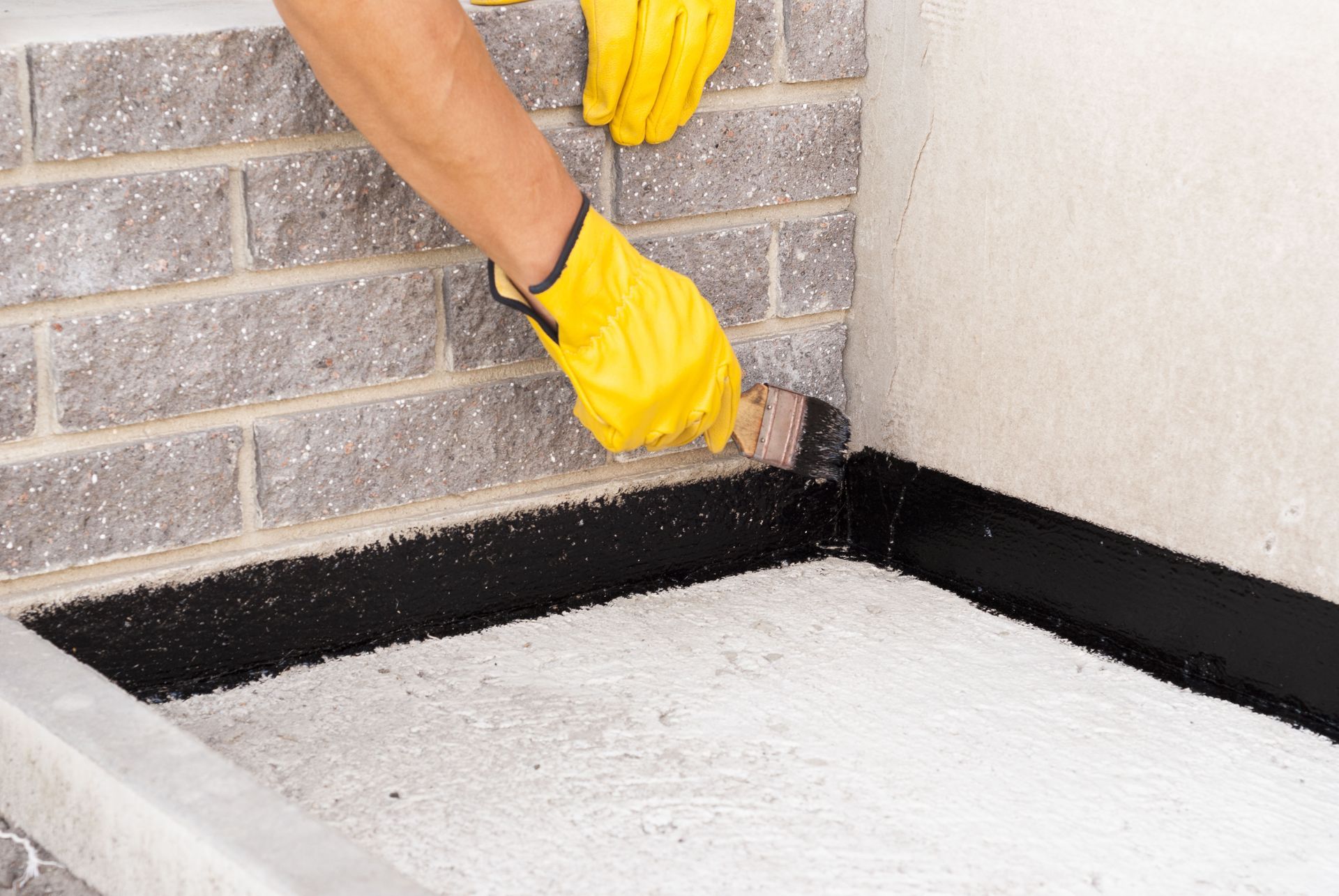
During the consultation, the professional should explain their proposed strategy clearly. They might suggest installing an interior perimeter drain system to manage hydrostatic pressure. Alternatively, they might recommend exterior excavation to repair the foundation wall and apply a protective membrane. Sometimes the situation calls for combining both methods. The professional needs to justify their recommendation based on your structural vulnerabilities rather than pushing a generic system.
Pay close attention to how they address the root cause of moisture instead of just treating visible cosmetic symptoms. If water enters over the foundation, they'll discuss grading corrections or downspout extensions. If moisture seeps up through the floor, they must address the rising water table. Their proposed solution should demonstrate a comprehensive understanding of water dynamics around your specific property lines.
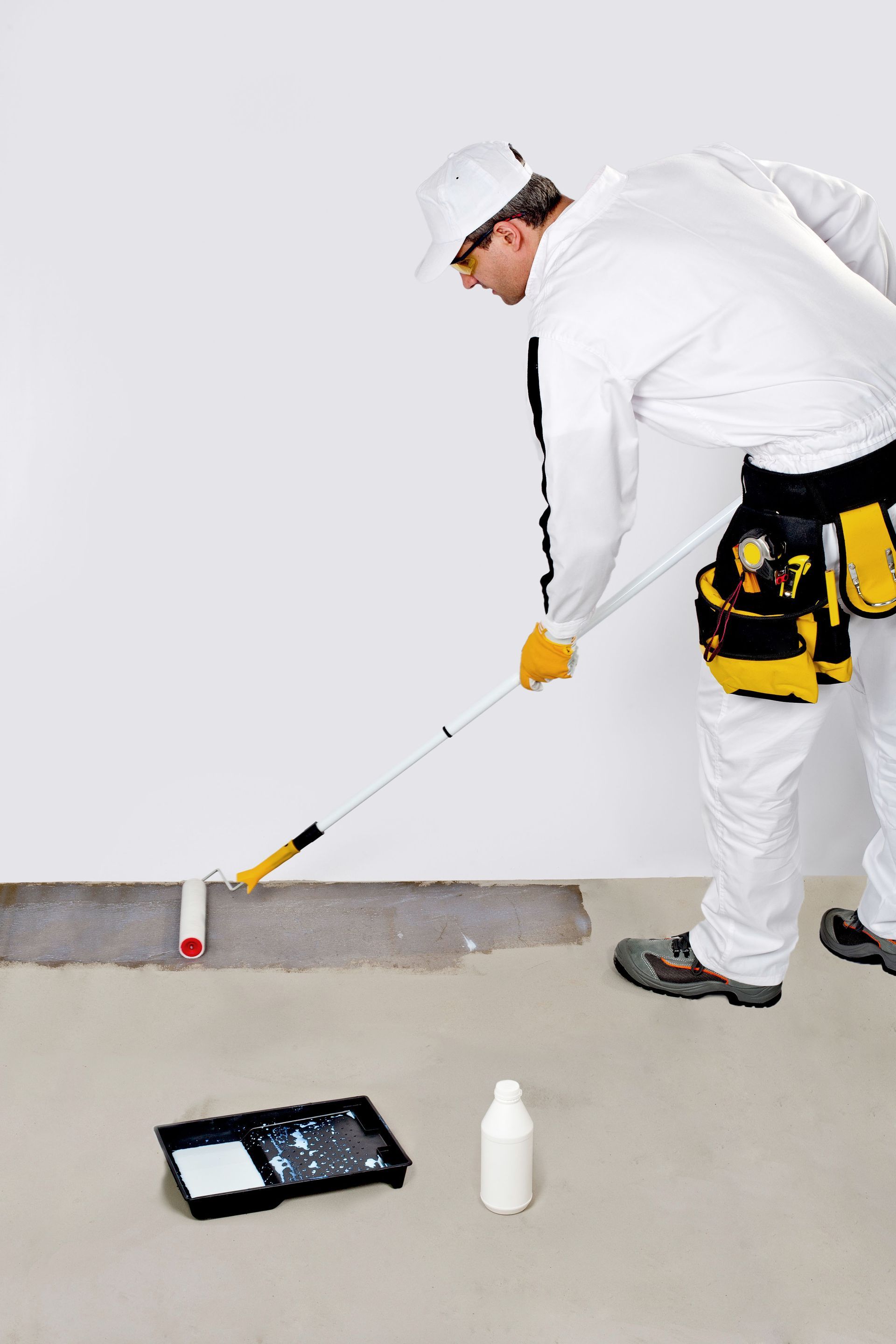
You should ask about the materials they intend to use during installation. High-quality perforated drainage pipes, commercial-grade sealants, and durable wall vapor barriers make a significant difference in repair longevity. Understanding their material choices helps gauge the overall long-term value of their proposal. This conversation ensures your home receives lasting protection against future water intrusion.
2. Are You Fully Insured and Responsible for Pulling Project Permits?
Foundation repair involves structural work carrying inherent physical risks. Digging trenches, operating heavy machinery, and altering concrete walls create opportunities for property damage or worker injuries. You should verify that any company stepping onto your property carries comprehensive liability insurance and active workers' compensation coverage. Asking for physical proof of insurance protects you from bearing the financial burden if an accident occurs on site.
Beyond basic insurance coverage, you need to establish who handles the municipal bureaucracy associated with the project. Most extensive drainage modifications require official approval from your city building department. You shouldn't navigate the complex permitting process yourself. A reliable local basement waterproofing contractor always takes full responsibility for pulling required permits before beginning any demolition or excavation work.
Pulling the correct permits guarantees the work receives an independent evaluation from a city inspector upon completion. This objective review ensures the installation meets current safety standards and structural requirements. If a company suggests skipping the permit process to save time, look for another candidate. Work that's done without the proper permits can cause complications when you eventually decide to sell your home.
Discussing permits also reveals how the company manages project timelines. Ask how long the local permitting process typically takes and how that affects your proposed start date. Their answer gives you a realistic expectation for the schedule. Clear communication regarding timelines and legal requirements demonstrates operational maturity and excellent customer service.
3. Do You Handle Pump Backups and Radon Mitigation Systems?
A comprehensive water management system relies heavily on the performance of a primary sump pump. However, severe thunderstorms bringing heavy rainfall often cause neighborhood power outages at the worst possible moments. If your primary pump loses electricity, your newly waterproofed space remains vulnerable to flooding. Asking your local basement waterproofing contractor about battery backup systems is a critical step in the planning phase.
The secondary system should include an independent float switch and a high-water alarm to alert you of potential mechanical failures. Discuss the specific capacity of the backup battery and how many hours of continuous pumping it provides. Some advanced models feature smart connectivity, sending alerts to your phone if the system activates. Upgrading to a robust backup system provides critical redundancy.
While discussing additional equipment, you should bring up the topic of soil gases. Sealing a foundation and installing interior drains can alter how natural gases move beneath your home. Radon is a colorless and odorless radioactive gas that rises from the soil and accumulates indoors. Many homeowners choose to install a mitigation system concurrently with their drainage improvements to save money.
Ask if the company has required certifications to test for radon and install mitigation pipes alongside their drainage channels. Integrating the radon exhaust pipe directly into the new sealed drain system is highly efficient. If the company doesn't handle gas mitigation, ask if their drainage design accommodates a future installation. Coordinating these two home improvement projects prevents future headaches.
4. What Type of Long-Term Warranty Do You Provide?
Foundation repairs represent a major financial commitment, and you need assurance that the company stands behind their craftsmanship. A verbal promise holds no value if water starts seeping through walls three years down the line. Ask for a detailed written warranty before signing a contract or providing a deposit. The warranty document should explicitly outline what elements fall under coverage and what situations void the agreement.
Pay attention to the difference between a warranty on physical materials and a warranty on installation labor. The manufacturer typically covers defective pumps or degraded vapor barriers, but the installation company must cover errors made during the actual construction process. A strong guarantee should cover both aspects for an extended period. Make sure you understand the distinct timelines for each component of the installed system.
You should also inquire if the warranty remains transferable to new owners if you decide to sell the property. A transferable warranty adds tangible value to your real estate listing and provides peace of mind to potential buyers. Ask about the specific process for transferring the paperwork and if there are associated administrative fees. Having this information documented protects your initial investment.
Finally, read the fine print regarding mandatory maintenance requirements. Some warranties become void if you fail to schedule annual pump inspections or neglect basic exterior gutter maintenance. Ask the representative to highlight your specific responsibilities as the homeowner. Knowing what you must do to keep the coverage active ensures you don't accidentally void your protection. A reputable professional will gladly explain the necessary conditions.
Protecting your home from groundwater infiltration requires careful planning and a thorough vetting process. You cannot rush the decision when dealing with the structural integrity of your foundation. Taking time to interview multiple candidates allows you to compare proposed methods, evaluate insurance standing, and review warranty terms side by side. A qualified local basement waterproofing contractor will welcome your detailed questions and provide transparent, educational answers.
Upgrading your home with a comprehensive drainage solution provides peace of mind during severe weather events. You won't worry about checking downstairs every time a heavy storm rolls through. Asking these four essential questions ensures you hire a professional who respects your property, prioritizes safety, and delivers a lasting structural solution. With the right team handling the job, you can finally reclaim your lower level and enjoy a healthy living environment.
If you're ready to permanently resolve your foundation leaks with a dedicated local basement waterproofing contractor, schedule an inspection today with Rite-Way Waterproofing.