Protecting a home from moisture is crucially important for homeowners. Moisture intrusion stands as a major threat, causing severe damage to structural elements of buildings. A dry basement prevents massive repair projects while preserving core integrity. Without proper moisture barriers, base walls exposed to dampness suffer from cracking. Homeowners require clear guidance to navigate options for keeping basements completely dry. To achieve this, hiring a foundation waterproofer is often necessary.
Preventative measures keep the living space safe and comfortable. Excess indoor dampness creates a dangerous breeding ground for mold, compromising indoor air quality and causing health issues. Protecting lower levels extends the lifespan of the entire building. The decision-making process involves recognizing signs of moisture damage and acting before small leaks become structural failures. A qualified foundation waterproofer assesses these issues accurately. We will explore moisture protection aspects to maintain a safe, dry environment.
Evaluating Structural Weaknesses and Flaws
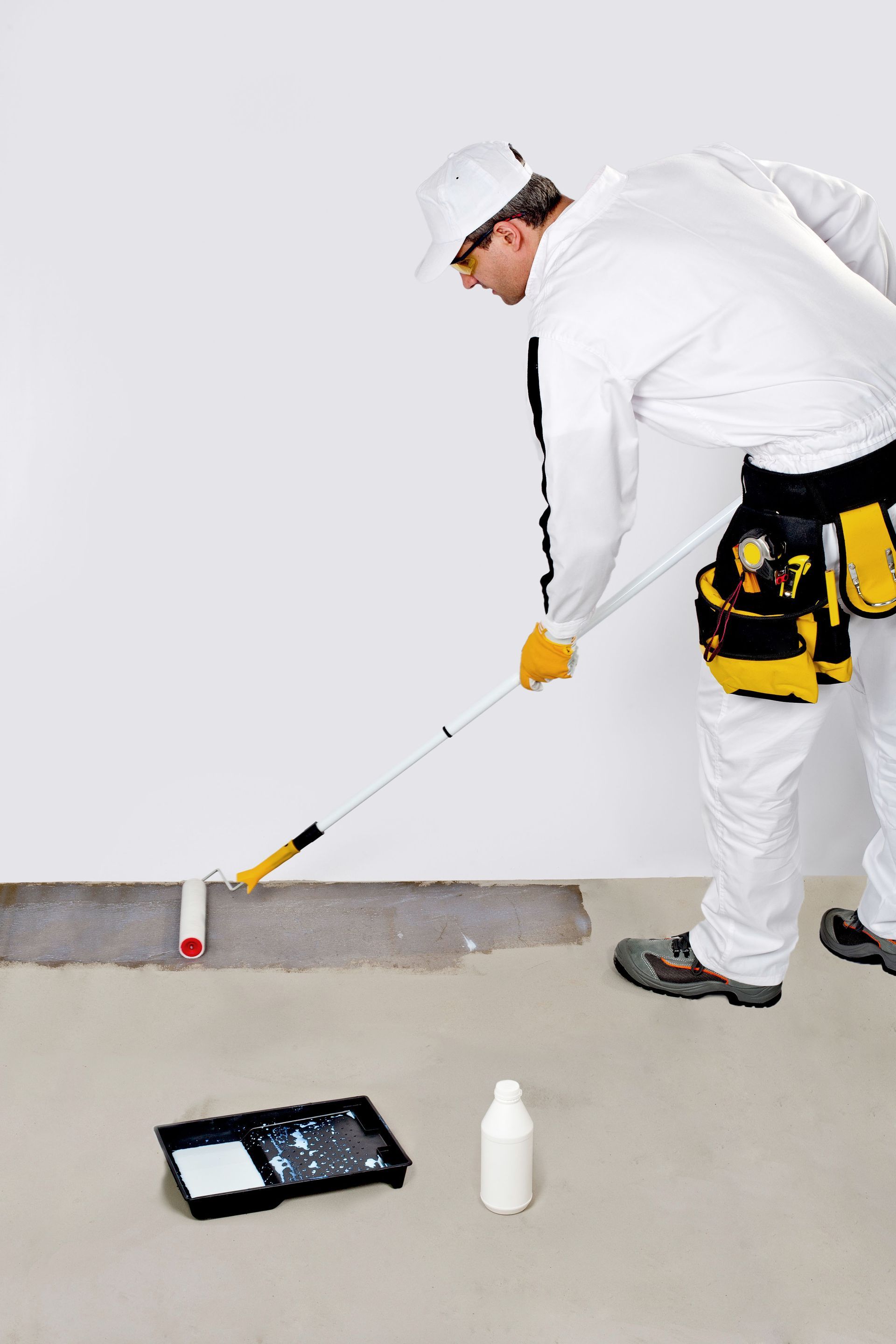
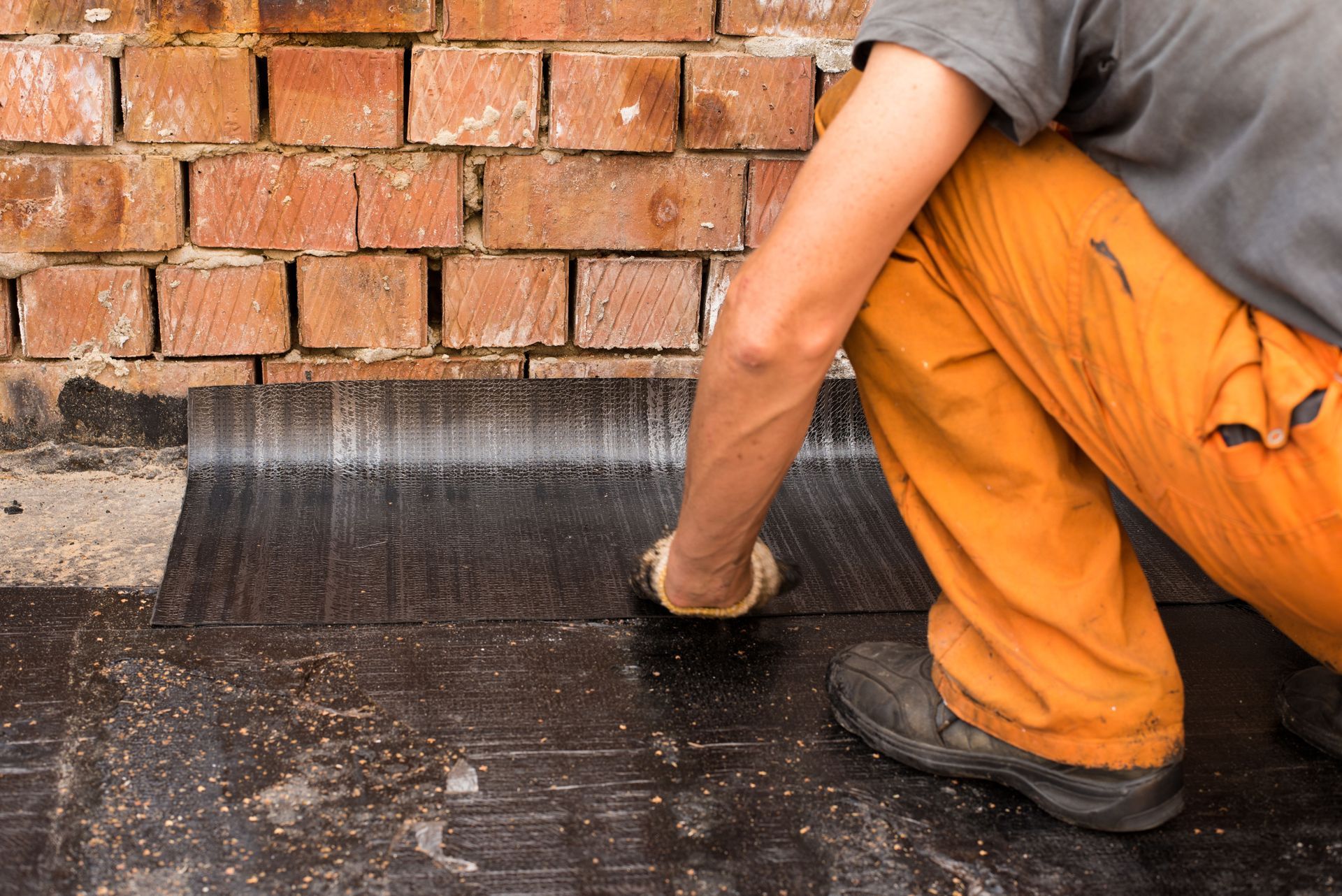
Moisture barriers involve specific techniques to stop liquid from infiltrating through a building's base. This process is essential in coastal areas prone to heavy rain or locations situated above high water tables. The primary purpose is creating a secure shield between damp soil and the core structure. Typical approaches include applying exterior membranes or interior drainage systems. When left unprotected, persistent moisture exposure causes concrete to crack or succumb to mold. A dedicated foundation waterproofer applies these materials to ensure comprehensive protection.
Recognizing indicators of structural vulnerabilities helps homeowners catch issues before they escalate. Warning signs include visible dampness on basement walls, dark stains, and a musty odor. Hairline cracks along the concrete base or floor can also signal moisture infiltration. Subtle shifts in the building, such as doors failing to close correctly, point to deeper moisture damage. If walls feel damp, the structure needs immediate attention. Catching warning signs early allows property owners to mitigate risks and secure their living space.
Assessing Environmental Risks and Vulnerabilities
Regular inspection of the structure is essential to detect signs of moisture infiltration early. A thorough check covers interior surfaces and the exterior perimeter of the property. While homeowners can conduct visual checks, securing professional input ensures nothing goes unnoticed. Professionals look for hidden issues, assessing how nearby water bodies, land slopes, and rainfall patterns contribute to moisture risks. Homes in flood-prone zones need robust defense measures compared to elevated properties. A skilled foundation waterproofer factors in environmental elements to design a secure barrier.
The type of soil surrounding the property has a significant impact on moisture movement. Clay soils retain moisture and expand, placing immense hydrostatic pressure on concrete walls. Climate plays a huge role, with regions experiencing heavy rain requiring tailored protection plans. Accurate evaluations of soil composition and weather patterns provide valuable data to customize defenses. Specialized tools like moisture meters offer quantitative data to understand the exact extent of infiltration. Professional inspectors employ thermal imaging devices for hidden dampness, delivering detailed analysis to stop damage.
Hiring Professional Contractors and Specialists
While homeowners might consider do-it-yourself approaches to save money, expert assistance delivers unmatched workmanship. DIY methods often fail to address the root cause of moisture intrusion. A certified foundation waterproofer assesses underlying issues accurately to provide effective, long-lasting solutions. These specialists possess the necessary training to apply the latest techniques correctly the first time. They identify hidden problems that often go unnoticed by untrained eyes. Securing their expertise minimizes stress and ensures the job meets industry standards.
Professional teams have access to high-grade materials and advanced application techniques offering superior protection compared to commercial DIY kits. These heavy-duty materials provide durable defense against extreme weather and hydrostatic pressure. Industry-standard products ensure reliability and consistent performance over long periods. Proper application maximizes efficacy, resulting in robust moisture barriers. Accurate problem diagnosis and exact solution application reduce the chance of recurring issues. Engaging a specialist early in the process creates an efficient maintenance regimen, ensuring the base structure remains dry against constant environmental challenges.
Reviewing Local Companies and Providers
Finding the right contractor starts with thorough research on local companies. Property owners should consider businesses with longstanding reputations for excellence and reliability. Online reviews and client testimonials offer invaluable insights into the experiences of previous customers. Reviewers provide consistent feedback regarding professionalism, service quality, and the effectiveness of installed systems. Evaluating diverse customer perspectives helps narrow down choices to contractors who consistently deliver satisfactory results. An experienced foundation waterproofer offers comprehensive inspections before recommending tailored solutions to maintain property integrity.
Different providers offer varying services that require careful comparison. Homeowners should evaluate packages for essential components such as initial inspections, moisture barriers, and post-installation support. Some companies provide comprehensive options including interior drain tile systems or exterior excavation methods. Comparing these offerings helps determine which contractor delivers the best overall value. Verifying credentials and licenses affirms the contractor's competency. Adequate insurance coverage protects the property owner against liabilities during the project. Securing proof of credentials gives homeowners peace of mind before signing agreements.
Exploring Exterior Solutions and Systems
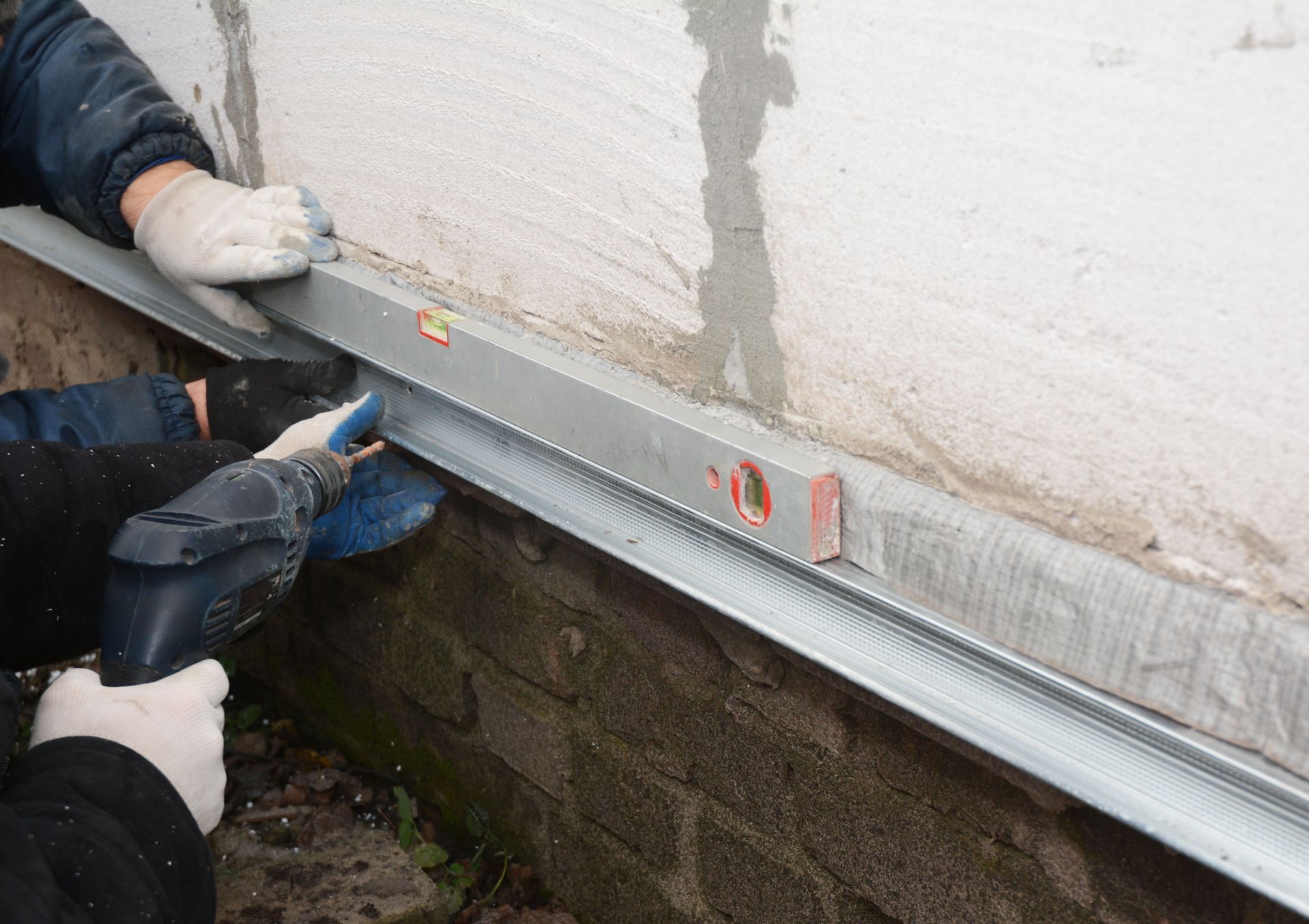
Exterior excavation methods involve digging around the perimeter of the building to apply secure barriers directly to outside walls. Though this method requires significant effort, it provides robust defense from external moisture sources. It stops liquid from penetrating the concrete and damaging the interior space. According to HomeGuide, an exterior waterproof membrane typically stays functional for 10 to 15 years. This method is often employed alongside other strategies for comprehensive property defense. A capable foundation waterproofer manages the excavation process safely and efficiently.
Interior drainage systems play a crucial role in diverting moisture away from the base of the home. Common setups include perimeter drain tiles that redirect liquid to a safe discharge point. Proper interior drainage reduces hydrostatic pressure, complementing external barriers. Sump pumps remove accumulated moisture from the basement, preventing flooding. Installed in specific pits, these pumps activate when moisture levels rise, expelling liquid away from the structure. Reliable backup systems ensure pumps function during power outages, preserving home integrity during extreme weather.
Maintaining Dry Foundations and Basements
Once a moisture barrier is installed, routine maintenance ensures its continued effectiveness. Scheduled checks involve inspecting seals, drain tiles, and discharge lines for signs of wear. Timely intervention prevents small cracks or slight seepage from escalating into major structural complications. Homeowners should maintain vigilance after heavy rainfalls or snowmelt periods, as pressure on walls increases significantly. Proactive action in managing minor issues preserves the structural integrity of the home. A dependable foundation waterproofer conducts periodic checks to verify the system operates at peak performance.
Proper maintenance of gutters and downspouts plays a critical role in directing moisture away from the building. Clogged gutters overflow, pouring massive amounts of rainwater directly adjacent to concrete walls. Routine cleaning ensures these systems effectively manage flow, reducing the risk of pooling near the property. Landscaping and soil grading also have massive effects on drainage efficiency. Correct soil grading directs runoff away from the home, while flat grading causes accumulation. Regular reassessment of landscape layout optimizes water diversion strategies, keeping the interior secure.
Deciding to reinforce the lower levels of a property involves understanding specific environmental challenges and structural vulnerabilities. This guide aims to assist homeowners in making informed choices to protect their investments effectively. Professional waterproofing services offer expertise, superior materials, and comprehensive installations that do-it-yourself approaches lack. Selecting the appropriate method ensures a dry and secure living environment. Routine upkeep prolongs the lifespan of the installed barriers. A proactive approach to moisture management enhances overall safety and comfort of the residence for years to come.
Ongoing vigilance guarantees that protective systems adapt to changing weather patterns. If persistent moisture issues reoccur despite regular upkeep, seeking expert assistance becomes necessary. New construction activities nearby can alter soil conditions, requiring updated defense strategies. Capable specialists provide modernized repairs to address these evolving challenges. Securing expert help ensures the barrier remains robust and functional. For tailored solutions that keep your home completely dry and structurally sound, we invite you to contact us at Rite-Way Waterproofing.