By Ron Darwin
September 28, 2026
Keeping your home safe, dry, and structurally sound starts beneath your living spaces. The heavy concrete or masonry walls holding up your property face constant exposure to changing groundwater levels and shifting soil conditions.
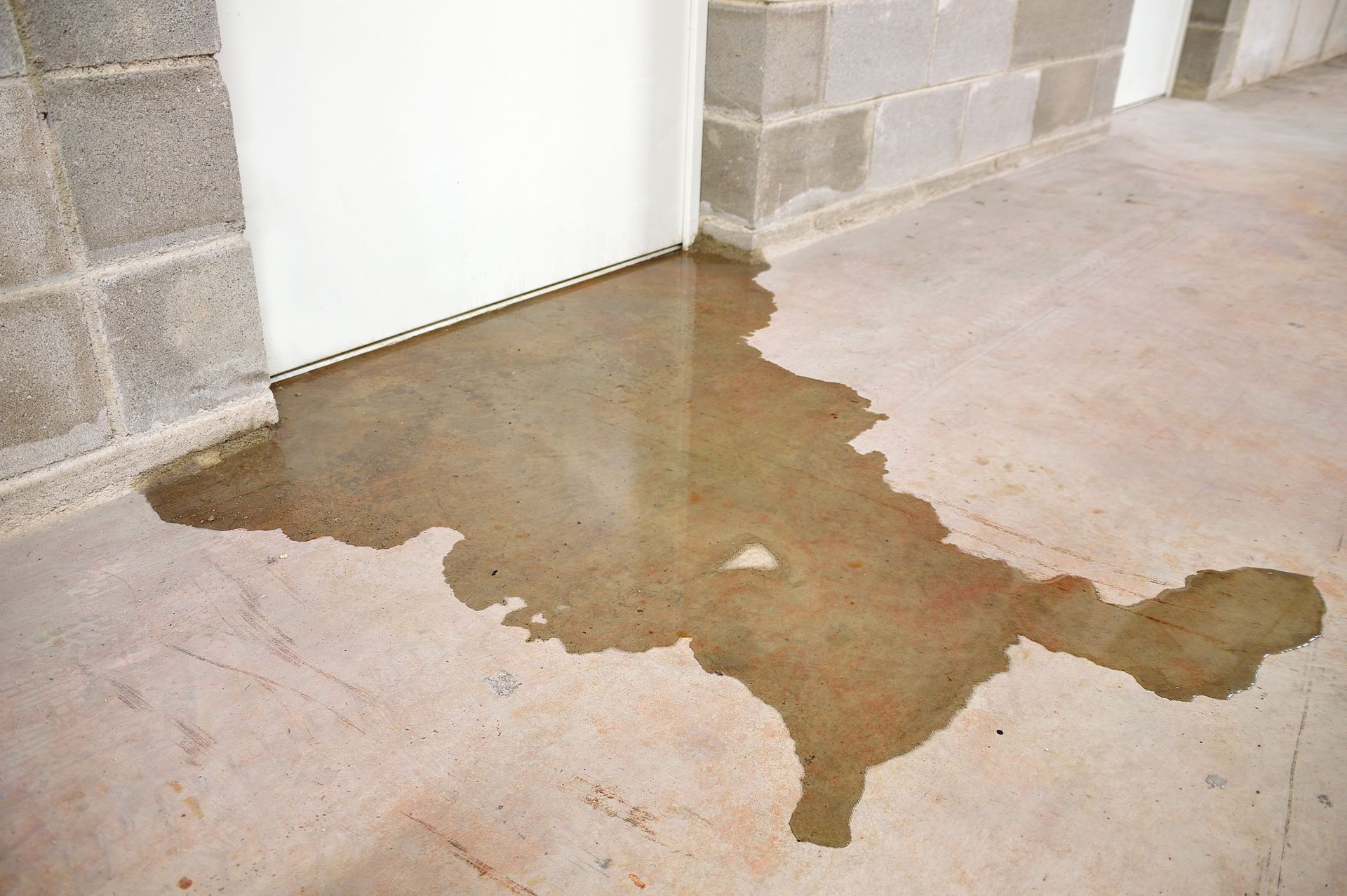
When rainwater gathers around your basement walls, heavy hydrostatic pressure forces dampness into small pores and hairline cracks. Working with an experienced foundation waterproofer gives you complete peace of mind, ensuring that your lowest living spaces remain completely dry throughout every season.
Taking early action to stop water seepage prevents serious structural issues and costly home repairs down the road. Quality waterproofing methods stop damp air, mold growth, and standing water from ruining your finished basement areas or storage spaces. Investing in durable moisture protection keeps your living space comfortable and preserves the solid base of your home for decades.
Protecting Your Home Foundation
Understanding Structural Needs
A solid home foundation bears the entire weight of your building while standing strong against surrounding soil pressures. Continuous groundwater exposure weakens concrete over time, causing small surface fissures to expand into large structural cracks. When water penetrates these gaps, freeze-and-thaw cycles push the masonry apart, causing wall bowing and uneven settling.
Maintaining a dry perimeter keeps soil movement stable and protects your home against premature structural fatigue. Quality drainage solutions relieve heavy water pressure against basement walls, keeping the concrete dry and sturdy. Protecting the structural base of your house ensures that your living spaces stay safe for your family.
Preventing Moisture Damage
Uncontrolled moisture beneath your home leads to peeling paint, damp drywall, and stubborn mold growth. Spores spread quickly through shared air ducts, affecting indoor air quality across your upper-floor living rooms. A skilled foundation waterproofer applies protective barriers that block moisture migration before dampness spreads to your living spaces.
According to HomeGuide, high-quality professional repairs made with commercial-grade materials can last 10 to 25 years if properly maintained, though interior systems generally demand less upkeep than exterior ones. Long-lasting protection stops wood rot in floor joists and keeps your lower levels fresh. Stopping moisture intrusion early protects your furniture, finishes, and personal belongings from costly water damage.
Increasing Property Value
Homebuyers always inspect lower-level spaces and foundation walls before purchasing a house. Evidence of previous flooding, water stains, or damp odors significantly reduces a property's market appeal and resale value. Installing dependable waterproofing systems shows prospective buyers that your house has received proper maintenance and care.
A fully dry basement adds valuable living square footage to your property layout. You can convert dry lower levels into family recreation rooms, quiet home offices, or comfortable guest suites. Preserving your structural foundation safeguards your home equity and builds long-term property value.
Exploring Waterproofing Techniques
Installing Exterior Drainage
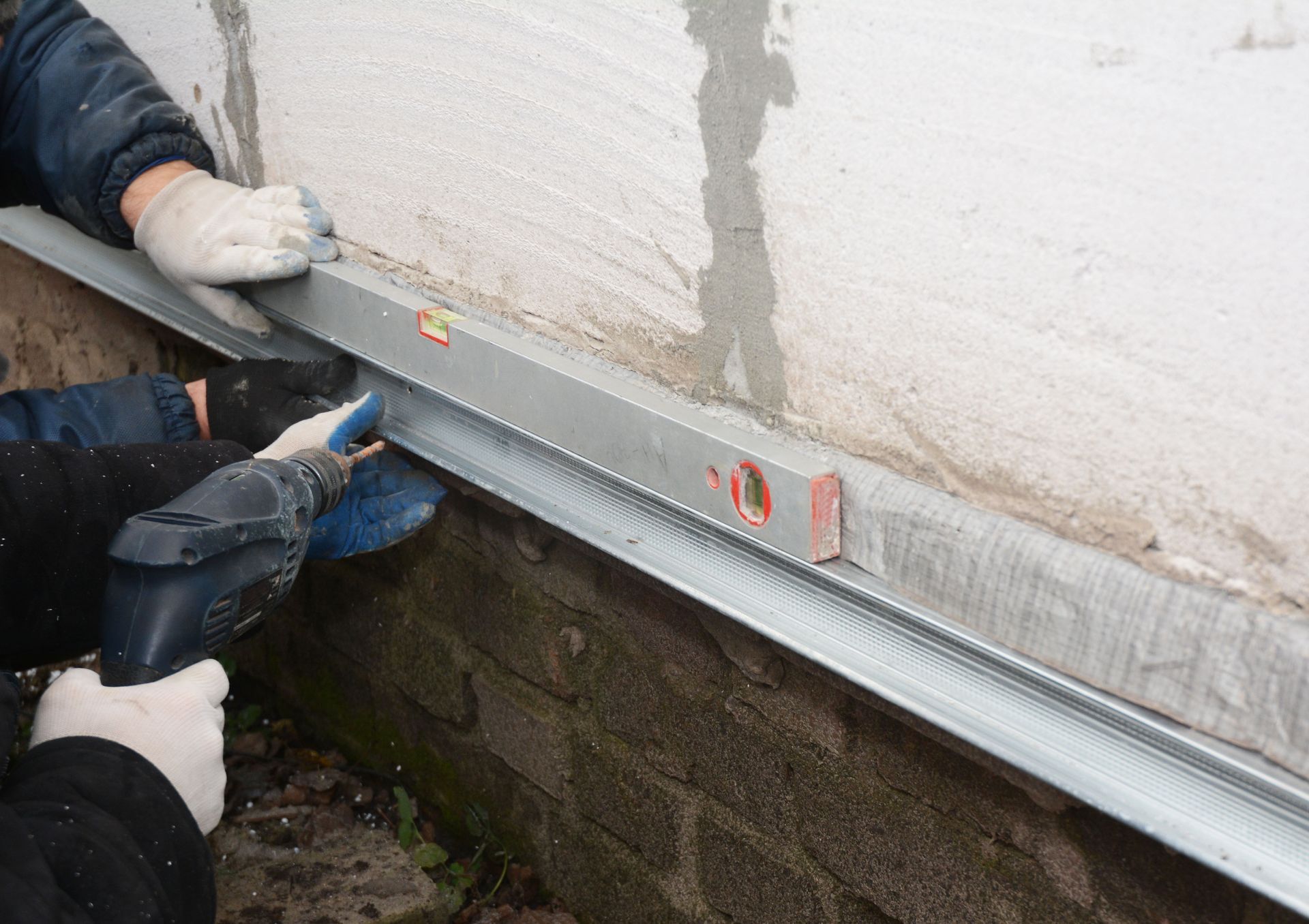
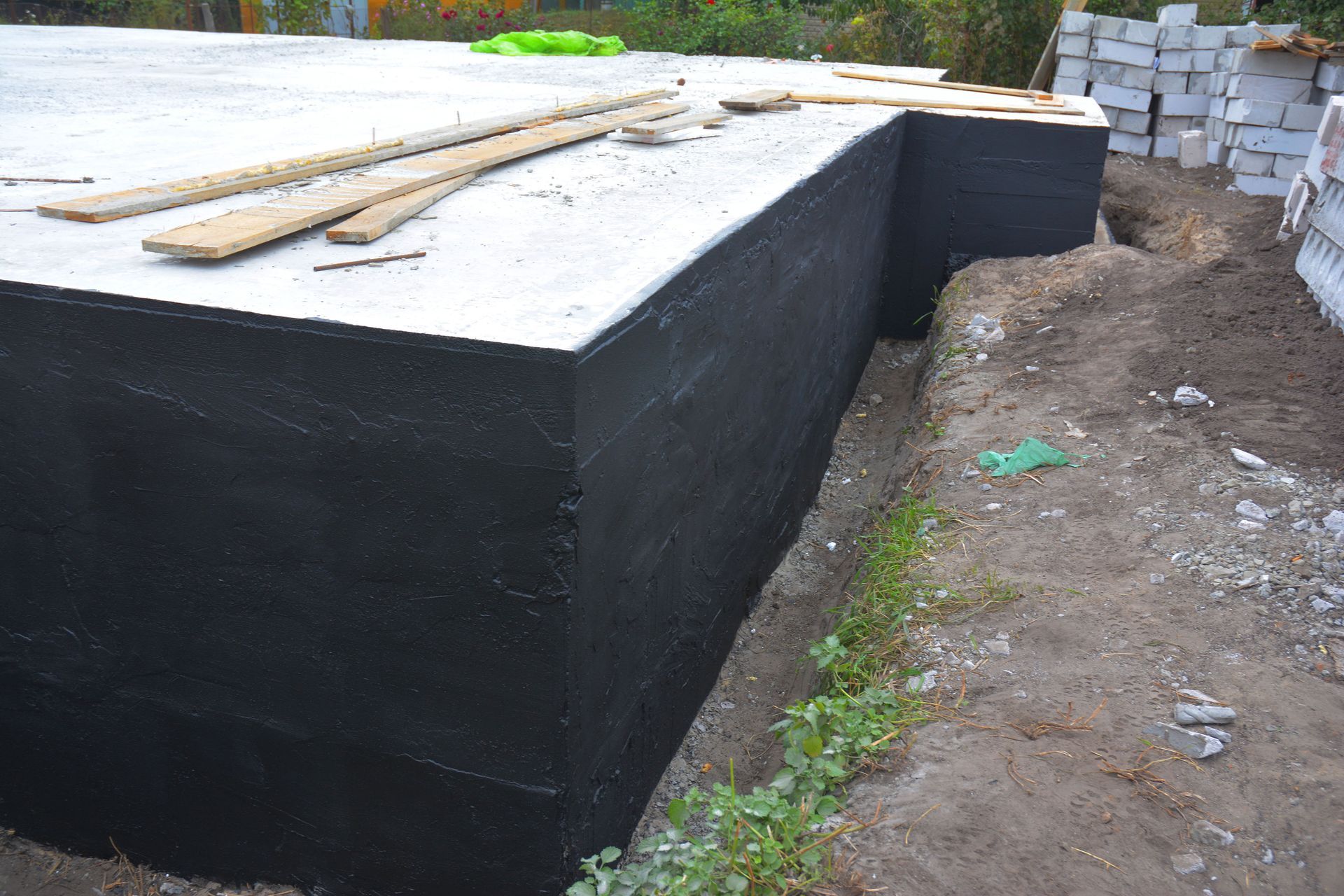
Exterior waterproofing tackles moisture problems directly at the source before water reaches your basement walls. This comprehensive process involves excavating around the home perimeter to expose the exterior concrete footings. Technicians clean the exposed walls, seal open seams, and coat the masonry with heavy-duty waterproofing compounds.
Hiring a professional foundation waterproofer keeps heavy groundwater away from your home by adding rigid drainage boards and perforated perimeter pipes. These exterior systems direct rushing rainwater away from your foundation footings naturally. Protecting exterior walls from direct moisture exposure eliminates standing water pressure against your basement.
Applying Interior Systems
When exterior excavation is not practical due to nearby decks or stone patios, interior systems deliver effective water control. Interior waterproofing manages water that penetrates the foundation wall line by capturing seepage before it spills onto your basement floor. Technicians create a shallow trench along the interior floor perimeter, laying perforated drain tile inside.
An expert foundation waterproofer can set up subfloor channels that direct incoming groundwater straight toward a sump pump basin. This system operates automatically, pumping trapped water safely away from your home interior. Managing seepage from the inside keeps lower-level floors dry and usable during heavy rainstorms.
Sealing Foundation Cracks
Shifting soil and temperature changes naturally cause minor settling cracks in poured concrete walls. Water uses these open pathways to flow directly into basements during wet weather. Sealing vertical wall cracks requires flexible injection resins that expand deep inside the gap.
High-pressure epoxy or polyurethane foam injections fill every void from the interior wall face to the outside dirt. These flexible sealants accommodate minor structural movements without breaking their waterproof seal. Repairing wall cracks promptly prevents small leaks from growing into major structural problems.
Managing Water Runoff
Proper surface grading around your yard helps keep excess rainwater from pooling against your basement walls. Soil should slope gently downward away from your home perimeter, allowing surface runoff to flow toward natural drainage areas. Extending gutter downspouts several feet away from your foundation wall also prevents heavy roof water from soaking into the ground nearby.
Combining surface grading adjustments with underground drainage pipes stops heavy water accumulation. Keeping roof runoff away from your house reduces the load on your sump pump and interior drainage lines. Managing surface water effectively keeps your foundation dry during intense summer storms.
Choosing Quality Materials
Applying Penetrating Sealers
Concrete naturally absorbs water like a sponge because of its porous internal structure. Applying deep-penetrating concrete sealers fills these microscopic pores, creating a dense barrier against moisture absorption. Silane and siloxane sealers chemically react with the concrete components, repelling water without changing the surface appearance.
Penetrating sealers protect both interior basement floors and exterior concrete walls from dampness. Sealing porous surfaces prevents white mineral deposits and reduces concrete dusting over time. Durable surface sealers maintain a clean, dry baseline across your lower living spaces.
Using Protective Membranes
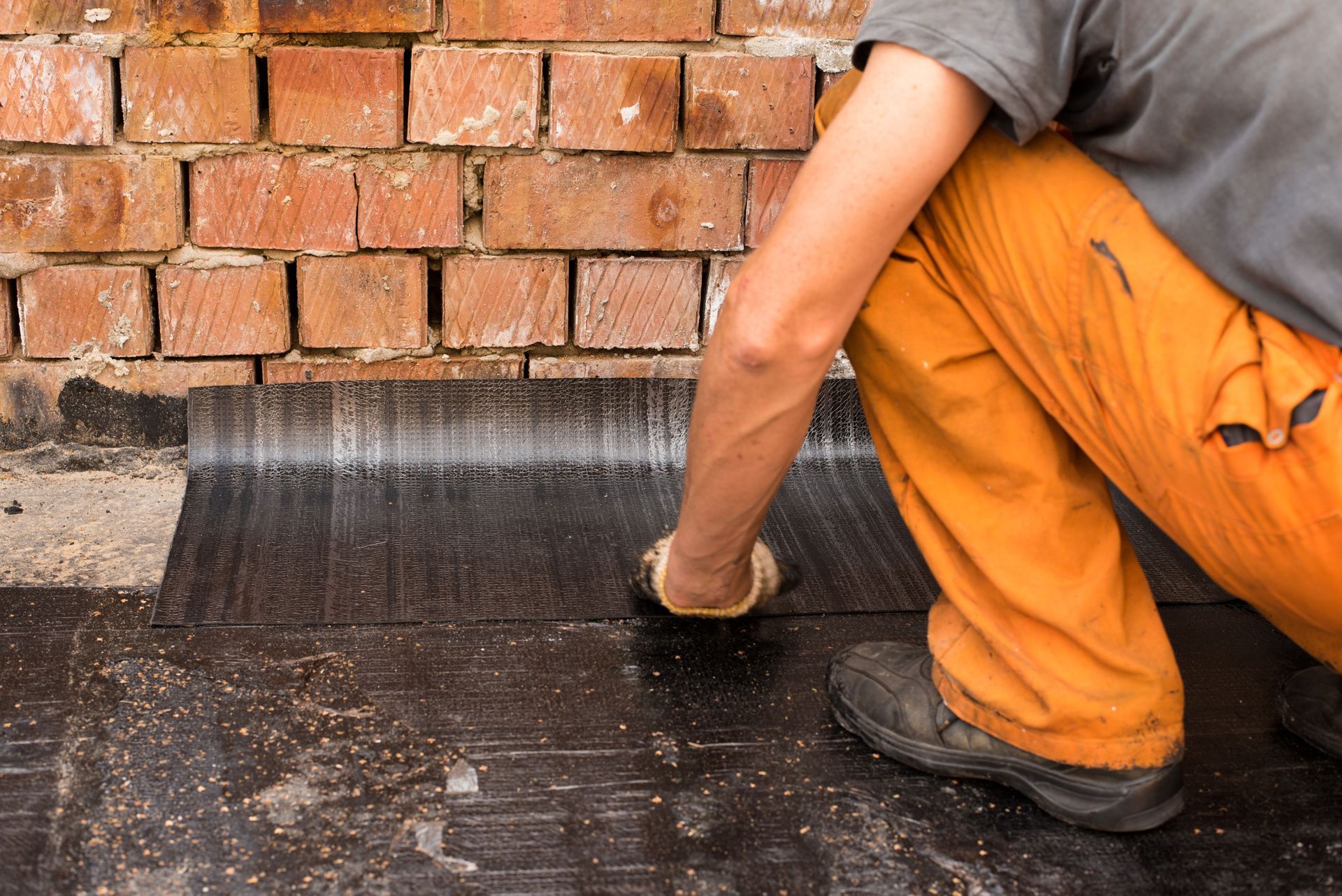
Heavy-duty elastomeric membranes provide superior protection for below-grade foundation walls. These flexible sheets and liquid-applied coatings stretch across minor wall cracks without tearing or losing adhesion. A trained foundation waterproofer ensures every seam is sealed tight, creating an impermeable barrier against groundwater.
Thick rubberized membranes resist physical damage from rocks and soil backfill during installation. These durable barriers remain flexible across freezing winter temperatures and warm summer months. Covering foundation walls with quality membranes keeps subterranean dampness completely isolated from your home.
Installing Sump Pumps
Sump pump units serve as the main workhorse for interior drainage setups, lifting collected groundwater out of your basement. Cast-iron pump housings dissipate heat quickly, allowing the motor to run continuously during severe rainstorms. Installing reliable dual-pump systems with primary and battery-powered backup units keeps your home safe during power outages.
Regular testing and routine maintenance keep your pump equipment operating smoothly when heavy storms arrive. Clearing debris from the sump basin and checking float switches ensures reliable automated operation. Dependable pumping equipment gives you complete confidence when heavy rain falls overnight.
Keeping your home dry, safe, and comfortable requires skilled craftsmanship and dependable waterproofing materials. From sealing minor wall cracks to installing complete perimeter drainage systems, professional care protects your house from costly water damage. Choosing a reliable foundation waterproofer protects your home for the long haul, preserving your property value and floor plan usability.
When you need an experienced foundation waterproofer to protect your living space, working with the team at Rite-Way Waterproofing ensures practical knowledge, proven drainage methods, and friendly service for every home project. To discuss your basement moisture concerns or schedule a home inspection, contact us today.