Understanding the importance of hiring the right basement waterproofing contractor is crucial for maintaining a dry and healthy home environment. This guide provides an in-depth look at what you need to know when seeking professional help. Whether you're dealing with minor dampness or severe flooding, addressing moisture issues in a timely manner can prevent significant structural damage and health problems. The article will explore how to choose trusted contractors, the benefits of proper waterproofing, and potential red flags to avoid. Getting informed is the first step to safeguarding your basement and by extension, your entire home.
1. Understanding Basement Waterproofing
1.1 What is Basement Waterproofing?
Basement waterproofing is the process of preventing water from penetrating the basement of a house. It involves techniques and materials that stop water ingress and protect against landscape water runoff, ground absorption, and structural damage. Whether it’s for a finished or unfinished basement, waterproofing ensures your underground level remains dry and hospitable. Given that basements are prone to moisture due to their location below ground level, effective waterproofing is essential. This maintenance task helps prevent significant issues like mold growth, structural weakness, and damage to stored belongings.
1.2 Key Benefits of Waterproofing
Waterproofing your basement provides the assurance of a healthier and safer home environment. A properly waterproofed basement reduces the likelihood of mold and mildew, which can cause allergic reactions and respiratory issues. Furthermore, it protects your home's foundation, thereby prolonging its lifespan and ensuring your investment is safe. Another crucial benefit is the enhancement of usable space, converting a damp basement into a viable living area. Finally, it adds value to your home, providing potential buyers peace of mind and ensuring a good resale price.
1.3 Common Causes of Basement Moisture
The causes of basement moisture are numerous and often interconnected. Poor drainage systems, faulty construction, and naturally high water tables can all lead to moisture seepage. Leaking pipes, improper soil grading, and clogged gutters exacerbate the problem, causing water to accumulate and eventually penetrate basement walls. Seasonal weather changes also play a significant role, with heavy rains and snowmelt contributing to excess groundwater. Identifying the source of moisture is the first step in determining the best waterproofing solution.
1.4 Signs You Need Waterproofing Services
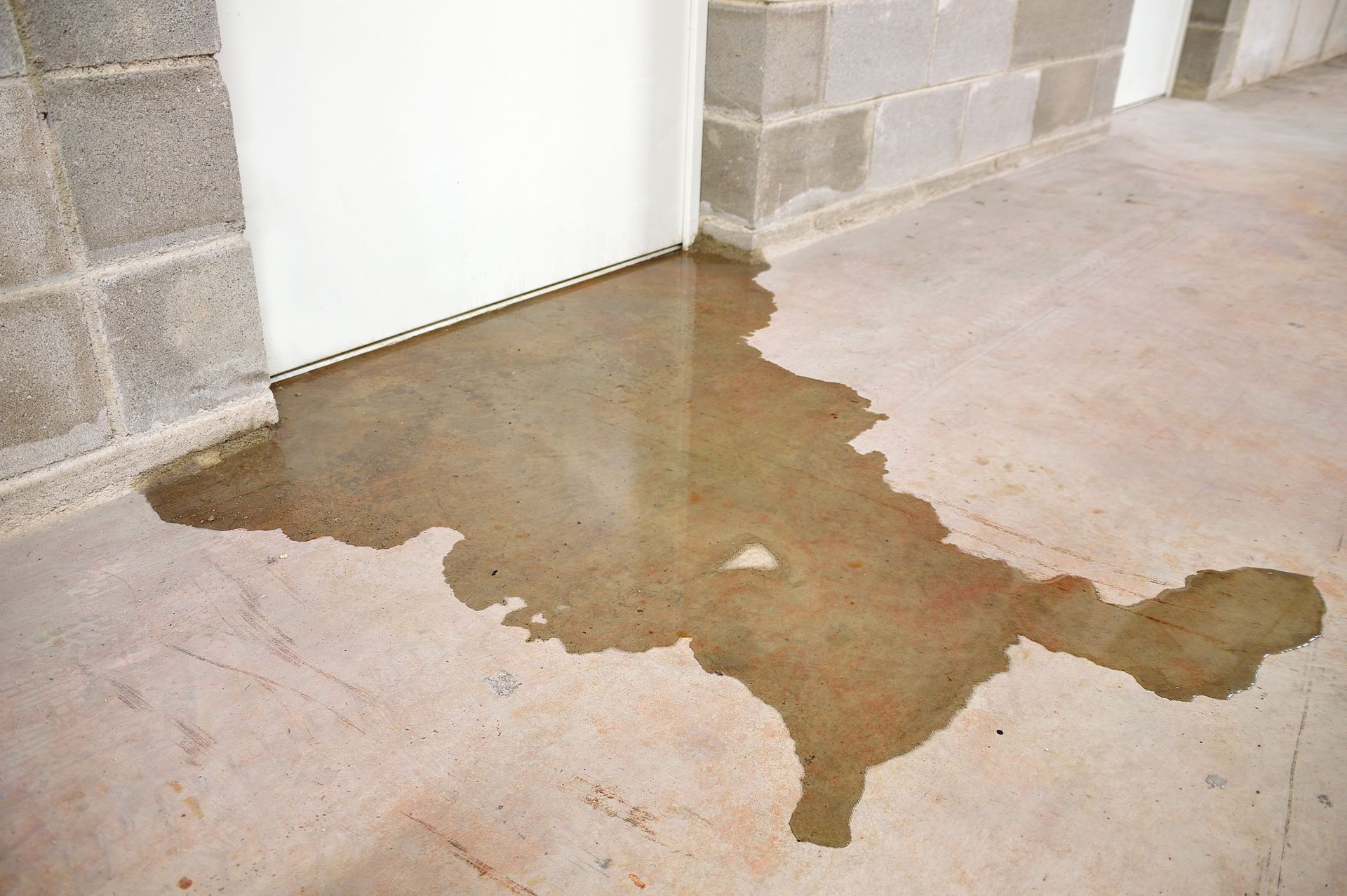
Recognizing the signs of a basement in need of waterproofing can prevent future damage and expense. Common indicators include damp walls, a musty odor, visible mold, peeling paint, and water stains. Additionally, foundation cracks, pooling water on the floor, and white, powdery residue (efflorescence) are clear signs of water intrusion. The presence of pests like silverfish and cockroaches can also indicate excessive moisture levels. Addressing these signs promptly ensures effective solutions and reduces further complications.
1.5 DIY vs. Professional Waterproofing Solutions
While DIY waterproofing solutions may be attractive for budget-conscious homeowners, professional services often provide more reliable results. DIY methods like sealants and dehumidifiers offer temporary relief but typically fail to address underlying issues. Professionals offer comprehensive assessments to determine the root cause of moisture problems and provide long-term, tailored solutions. They understand new technologies, compliance regulations, and have the right equipment, ensuring thorough repairs. Hiring experienced contractors may be more cost-effective in the long run, saving you from recurrent issues and potential damage.
2. How to Choose the Right Contractor
2.1 Researching Potential Contractors
Choosing the right basement waterproofing contractor involves diligent research. Start by seeking recommendations from friends, family, or neighbors who have had similar work done. Online reviews and local business directories are excellent resources to gauge a contractor’s reputation and reliability. It's vital to verify that potential contractors have experience in handling situations similar to yours. Make a list of potential candidates and narrow them down based on credentials and customer feedback.
2.2 Credentials and Licensing
Ensuring that your contractor has valid credentials and licensing is crucial before hiring. A licensed contractor is more likely to adhere to industry standards and state regulations, ensuring quality work. Ask for proof of licensing and insurance, which protects you from liability in case of accidents during the project. Certification from professional associations can also signify adherence to industry standards and best practices. Contractors who invest in continuous education demonstrate their commitment to staying updated with the latest waterproofing techniques.
2.3 Evaluating Experience and Expertise
Assessing a contractor’s experience and expertise involves looking at the length of time they've been in the industry and their specialization. A contractor with extensive experience in basement waterproofing is likely to have encountered various challenges and knows how to mitigate them effectively. Check if they have expertise in both exterior and interior waterproofing methods, as each technique serves different purposes. Their understanding of the latest technologies and methodologies is a good indicator of their capability to handle complex issues. Request case studies or portfolios showcasing their past work to verify their proficiency and success rate.
2.4 Checking References and Reviews
Requesting references and reading reviews is a critical part of the contractor selection process. Contact previous clients to ask about their experiences with the contractor, particularly how they handled challenges and their overall satisfaction. Online reviews provide insights into the contractor’s quality of work, reliability, and professionalism. Look for consistency in positive feedback and check if there's a pattern of complaints. A contractor with strong, favorable references is more likely to deliver quality services and ensure customer satisfaction.
3. Types of Waterproofing Methods
3.1 Interior Waterproofing Solutions
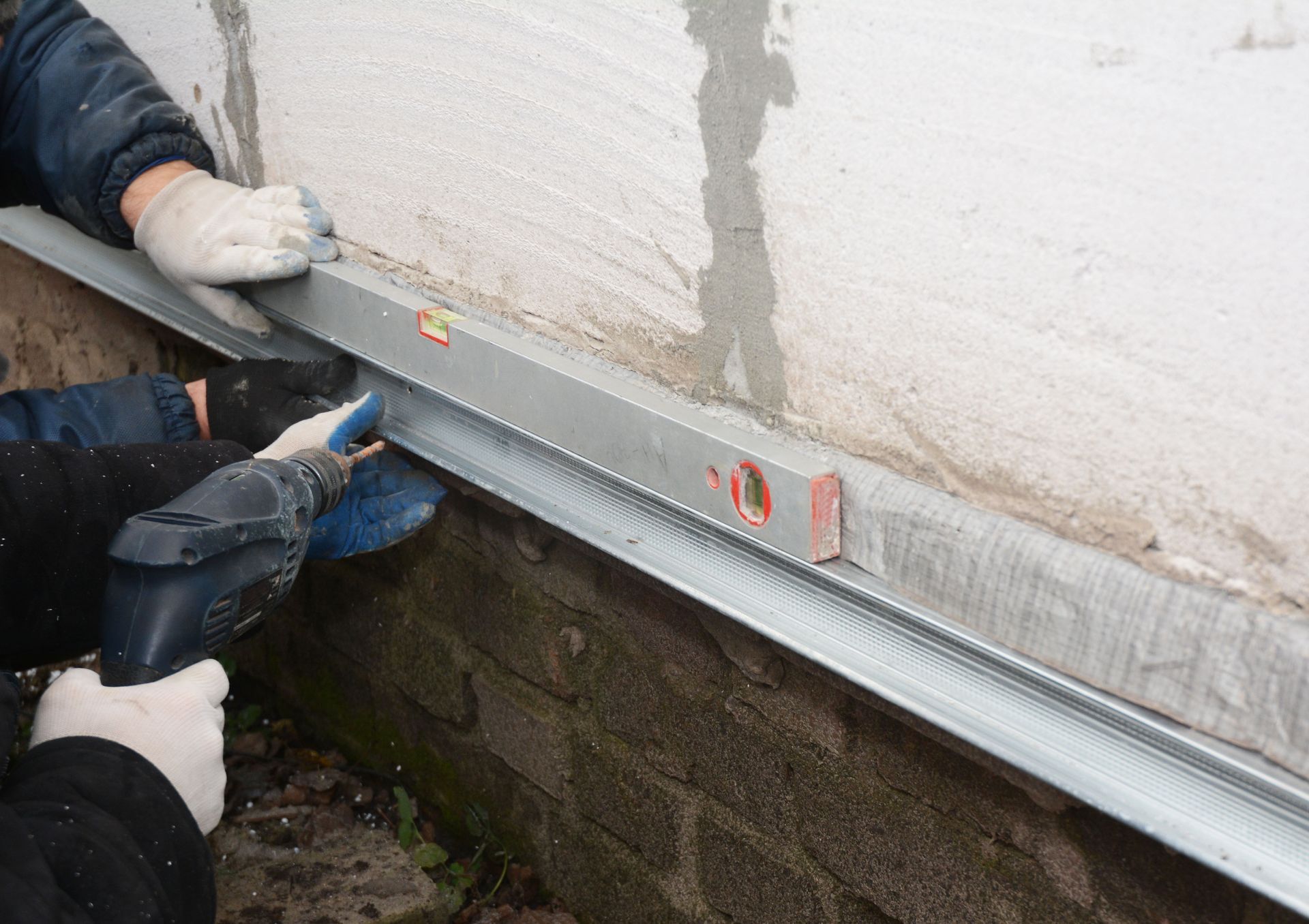
Interior waterproofing involves redirecting water that has already penetrated into the basement to the sump pump system. This system then pumps water out and away from the house foundation. Methods include installing drainage channels and wall and floor coatings that prevent seepage deep into the floor. However, interior waterproofing primarily manages water that has entered rather than preventing initial intrusion. It's often used in combination with other methods to ensure comprehensive protection against flooding.
3.2 Exterior Waterproofing Techniques
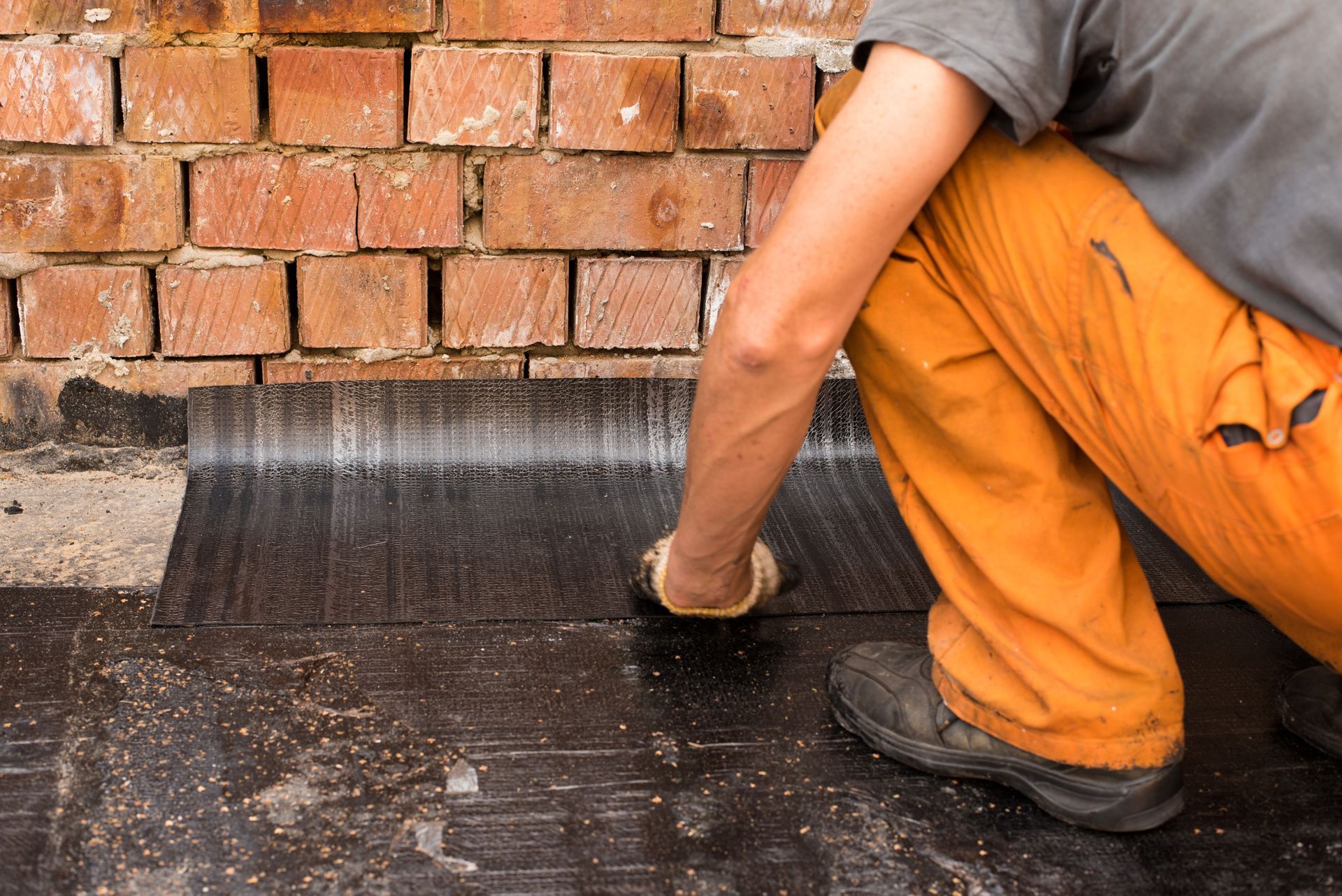
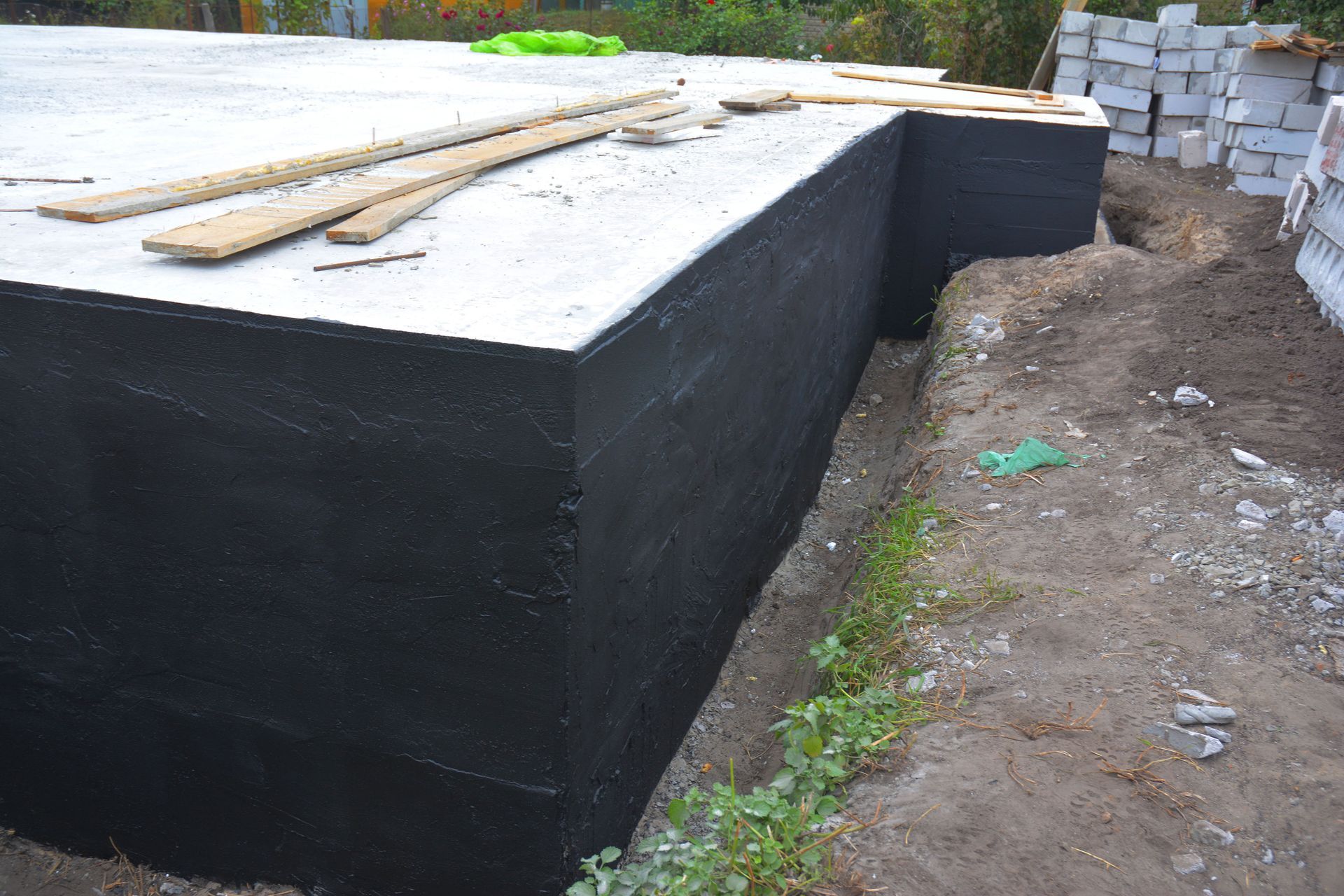
Exterior waterproofing focuses on stopping water before it enters the house by dealing with it at the foundation level. This technique involves excavating around the perimeter of the home to apply waterproof coatings and vapor barriers to the foundation walls. Adding drain tiles or French drains directs water away from the foundation, offering robust protection. Exterior methods typically prevent damage from heavy rainfall and ice melting and are a major element of foundation protection strategies. According to This Old House, exterior waterproofing is usually more effective in preventing water intrusion than interior methods.
3.3 Drainage Systems
Ensuring proper drainage systems are in place is a crucial aspect of basement waterproofing. A well-designed system effectively directs water away from a building, minimizing risk to foundations and below-ground structures. French drains and sump pumps are popular installations that serve to collect and divert water away from the home quickly and efficiently. Proper maintenance, including regular clearing of garden debris, is critical for drainage systems to work optimally. Together, these systems help in levelling up existing waterproofing measures for maximum effectiveness.
Choosing the right basement waterproofing contractor can make all the difference in safeguarding your home against moisture problems. By understanding the processes, knowing what to look for in a professional, and being aware of potential pitfalls, you can ensure a successful waterproofing project. With the right contractor, you gain not only a solution to your moisture problems but also peace of mind knowing your home is protected. Comprehensive research, careful decision-making, and informed questions put homeowners in control, fostering lasting results and satisfaction with their choice. Taking proactive measures now enhances home value, safety, and comfort for years to come. Be sure to reach out to Rite-Way Waterproofing for more information on our professional basement waterproofing contractors!